
South Africa is a water-scarce country that is predicted to have a 17% deficit (supply to demand) by 2030. As a country, we are already experiencing extreme water events exacerbated by prolonged droughts. We are going to have to work together across all sectors of society to manage our water better.
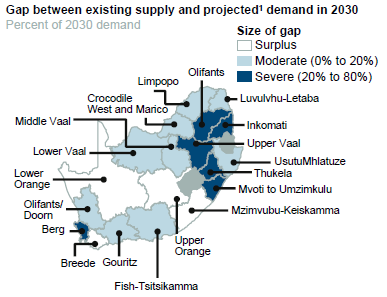
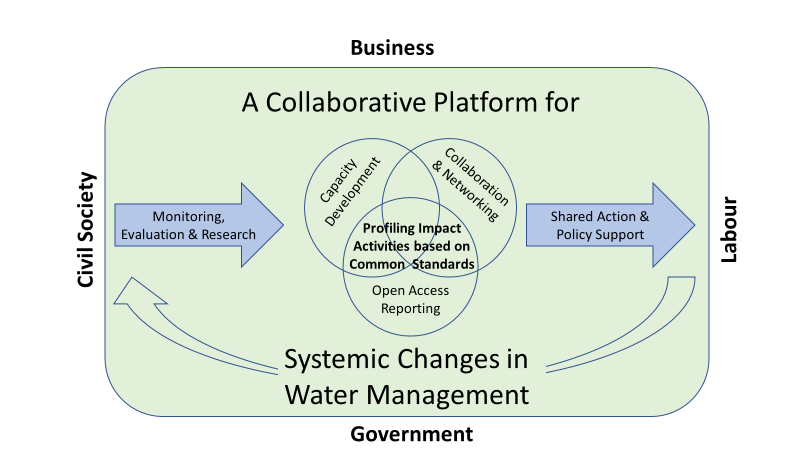
Without prompt and inventive solutions, South Africa will be forced to make tough decisions about water allocation. Collaboration among businesses, labour, civil society, and the government is vital to optimize natural flows, prevent pollution, and ensure water usability. The concept of ‘water stewardship’ emphasizes safeguarding a resource for the present and future generations.
Given the pressing environmental issues, it’s crucial to swiftly achieve large-scale and sustainable outcomes from successful initiatives. Water scarcity and quality problems impact environmental health, economic progress, and social equity.
Preserving and rehabilitating natural assets, which underpin our societies and economies, has turned into a pressing concern. Invasive alien plants exacerbate persistent droughts, floods, wildfires, soil erosion, biodiversity loss, and agricultural land degradation.
Furthermore, a global and South African trend known as the ‘green economy’ is gaining traction. This encompasses diverse viewpoints that strive for ecologically sustainable, socially inclusive, and resource-efficient models. It’s crucial to find synergies between ongoing initiatives and a green economy that restores natural assets, incorporates marginalized communities, and fosters financial and infrastructural growth.

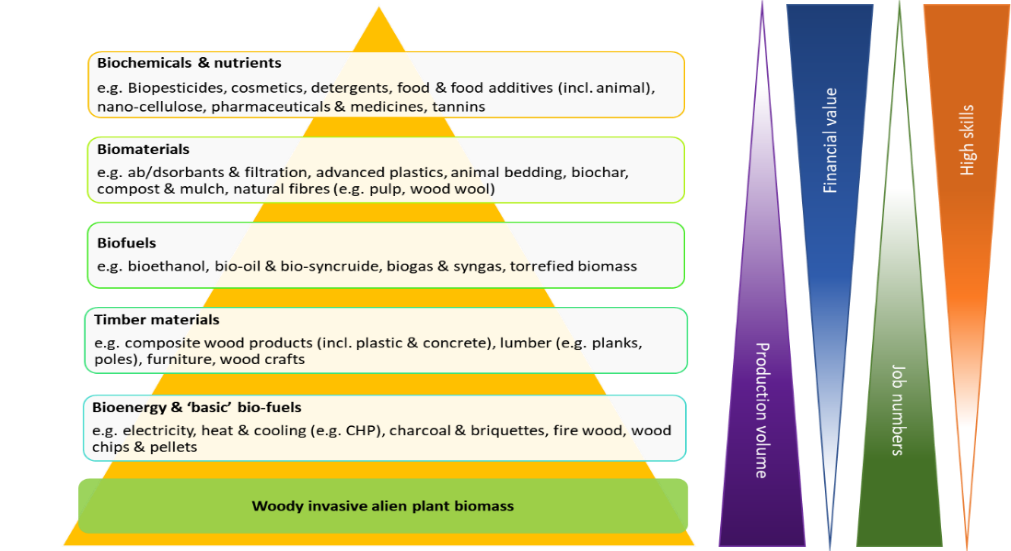
With the correct governance structures, community engagement, stakeholder participation and private sector partners, the biomass economy can provide strategic orientation in terms of opening new opportunities to the economy and socio-economic inclusion through the extended IAP value chain.
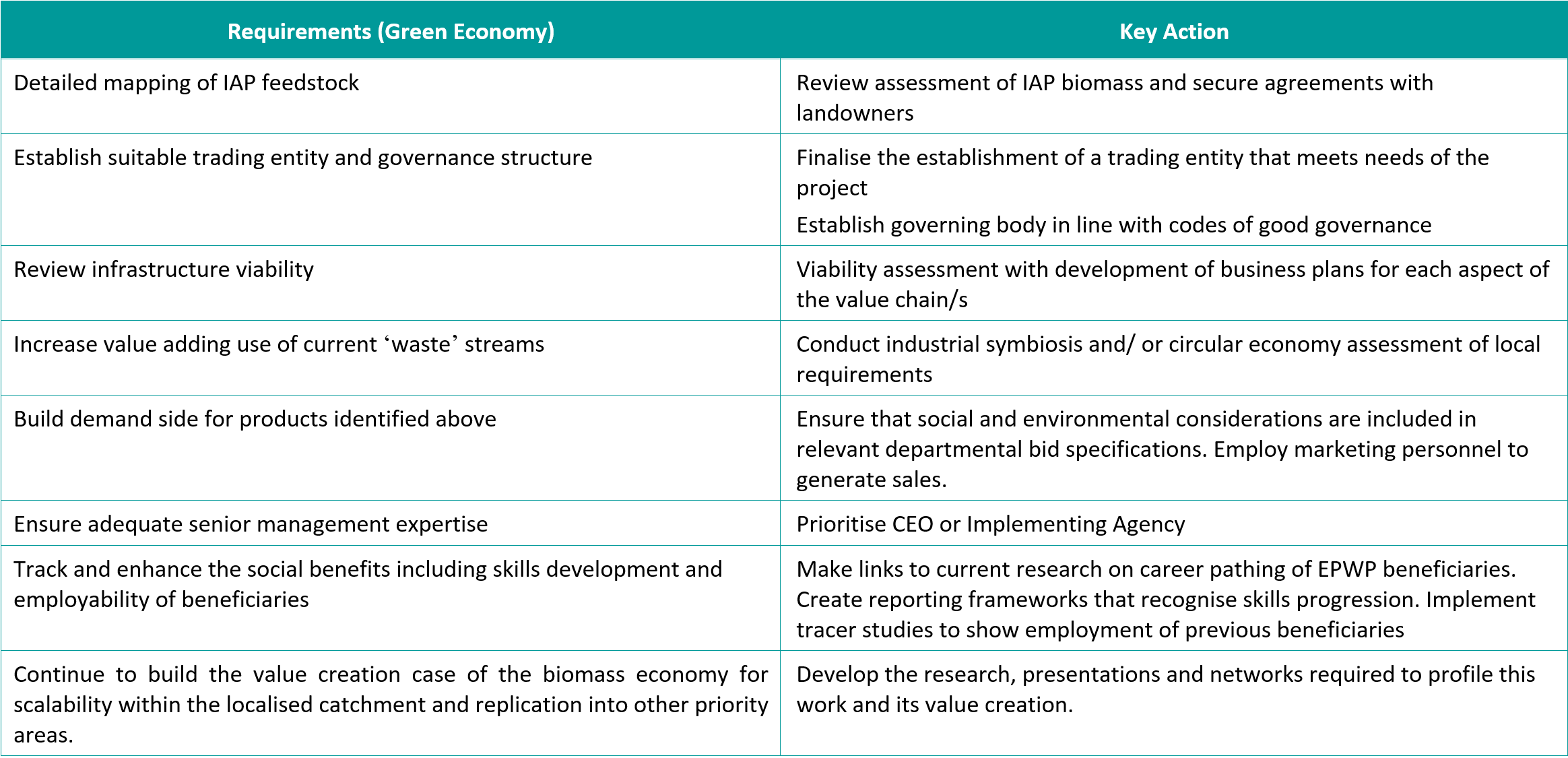
In order to upscale environmentally beneficial projects, LEAD Associates has as another of its core functions the development and implementation of App-based technologies to improve in-field management as a means to ensure contracted productivity levels are achieved and, also, to significantly reduce incorrect reporting and the abuse ofa resources.
Build and maintain a national, open-access, collaborative platform underpinned by a well-informed vision supported by multiple stakeholders.